Britain's Gulf Bargain: Investment, Arms and the Erosion of Distance
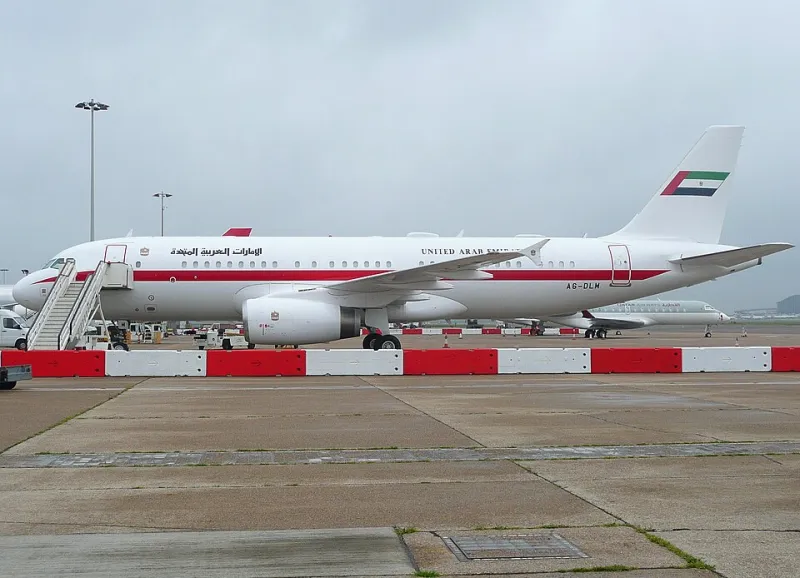
Photo: John Taggart from Sunbury on Thames, Middlesex, CC BY-SA 2.0, via Wikimedia Commons
Earlier this year, a British minister stood beside a Gulf counterpart in Abu Dhabi and described the relationship as a 'strategic partnership for the next decade'. The language was polished, the backdrop was sober, and the message was unmistakable: the Gulf matters more to Britain than at any time since the Royal Navy policed the trucial coast. In 2026, that is not a controversial claim. What is controversial is the price.
The logic of the courtship
Whitehall's turn towards the Gulf is not a sudden enthusiasm. It is a response to hard arithmetic. Energy prices remain volatile, and the UK's post-Brexit trade strategy has made Gulf capital a priority. Sovereign wealth funds from Saudi Arabia, the United Arab Emirates and Qatar have been courted at investment summits in London. Defence contractors have signed new agreements. The Gulf Cooperation Council trade talks, slow but persistent, are part of the same picture. For a government seeking growth and global relevance, the Gulf offers both.
The strategic logic is easy to state. Britain wants energy security, inward investment and defence exports. Gulf states want British expertise, arms, intelligence and a seat at the table in Western capitals. The relationship is symbiotic. But symbiosis is not the same as equality, and it is not the same as influence.
Yemen and the limits of leverage
Yemen is the clearest test. Britain has long been a defence partner of Saudi Arabia, and its arms exports have been scrutinised by courts and campaigners. The war's worst phases have passed, but the truce is fragile and the humanitarian crisis endures. British ministers insist that arms sales are licensed only where international humanitarian law is respected. Critics argue that the relationship makes British criticism of the Saudi-led coalition sound tentative.
The sceptical internationalist reading is not that Britain should sever ties. It is that Britain should be honest about what those ties do to its voice. When a partner is also a customer, the distance required for frank diplomacy narrows. Britain can still raise concerns. The question is whether it does so with the urgency the situation demands, or whether it calibrates its language to protect the relationship.
Sudan and the UAE question
Sudan poses a sharper dilemma. The UAE has been accused by UN experts and some Western lawmakers of supplying weapons to the Rapid Support Forces. The UAE denies the allegations. Britain, which has significant commercial and diplomatic ties with Abu Dhabi, has been cautious in public. It has backed humanitarian appeals and called for accountability, but it has not led the charge on the allegations.
That caution is understandable. The UAE is a key partner on security, aviation and investment. But caution has a cost. If Britain's claim to an ethical foreign policy means anything, it must apply to friends as well as adversaries. The Gulf is not a monolith, and Britain's relationships differ from state to state. Yet the pattern is consistent: commercial and security interests set the tempo, and human rights follow.
Human rights as a variable
The government's language on human rights in the Gulf has become more calibrated. British officials speak of 'partnership' and 'dialogue' rather than 'pressure'. There are individual cases, quiet representations, and occasional public statements. But the broad architecture of the relationship is not conditioned on rights.
This is not unique to Britain. France, Germany and the United States all wrestle with the same trade-offs. What makes the British case distinctive is the gap between the rhetoric of Global Britain and the reality of a narrower, transactional diplomacy. Britain still claims to be a force for a rules-based order. In the Gulf, it is often a force for order without rules.
What influence is actually bought?
The optimist's case is that access buys influence. British officials can pick up the phone to Riyadh or Abu Dhabi. They can help shape decisions, mediate disputes and protect British interests. The pessimist's case is that access buys the illusion of influence. Gulf states have diversified their partners. China is a major buyer of energy and a growing investor. Russia has its own ties. Britain is useful, but it is not indispensable.
The real risk is not that Britain sells out. It is that Britain stops noticing the difference between being consulted and being listened to. A foreign policy that trades distance for cash may look pragmatic in the short term. In the long term, it erodes the very independence that makes Britain worth talking to.
None of this means Britain should retreat from the Gulf. The region is too important for that. But the relationship needs a clearer frame. Investment and defence ties should be pursued with open eyes, not presented as a moral partnership. If Britain wants an ethical foreign policy, it must be willing to name the trade-offs. The Gulf bargain is not necessarily a bad one. It is simply a bargain, and bargains have terms.