The Vanishing Blue Helmet: Britain's Quiet Exit From UN Peacekeeping
Photo: Template:Atttrib United Nations Peacekeeping Force in Cyprus, Public domain, via Wikimedia Commons
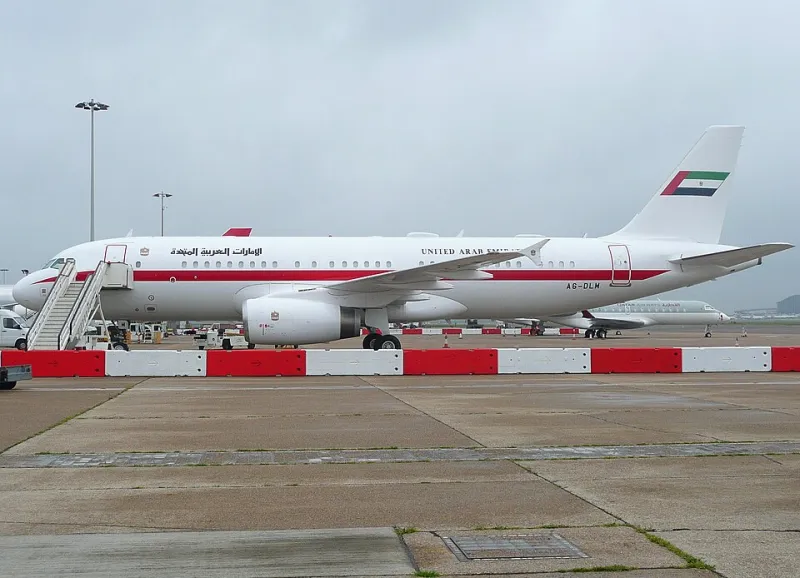
UN peacekeeping has become a footnote in British defence debates. In 2026, the UK contributes a few hundred personnel to UN missions, most of them in Cyprus. It has no significant infantry deployment in Africa, no large police contingent, and no ambition to lead a new mission. For a permanent member of the Security Council, that is a remarkable retreat.
The arithmetic of influence
Peacekeeping is not glamorous. It is slow, bureaucratic and dangerous. But it is also one of the cheapest forms of multilateral influence available to a middle-sized power. Troop contributions buy a seat in mission headquarters, a voice in mandate negotiations and a stake in the outcome. They signal commitment to the rules-based order that Britain says it wants to defend.
The numbers tell their own story. Britain's contribution is dwarfed by those of India, Bangladesh, Nepal, Rwanda and Pakistan. Among the P5, France maintains a substantial presence in Lebanon and elsewhere. China has deployed engineers and medics across Africa. Russia and the United States contribute little, but they have other means of projecting power. Britain's position is awkward: it wants the authority of a P5 member without the burden of a P5 contribution.
A Security Council seat without boots
The UK's Security Council diplomacy is active. British diplomats are penholders on several files, including Sudan and Yemen. They draft resolutions, chair meetings and coordinate sanctions. But penholding without personnel is a thin kind of power. It relies on the willingness of others to do the dangerous work.
That reliance is not new. Britain has long depended on partners for peacekeeping. But the gap has widened. The Ministry of Defence prioritises NATO, Ukraine and the Middle East. The Foreign Office is risk-averse after Iraq and Afghanistan. Legal concerns about the status of forces and rules of engagement add friction. The result is a quiet outsourcing of Britain's blue-helmet role to countries with fewer resources but more willingness.
The quiet advantages of blue helmets
Peacekeeping offers something warfighting cannot: legitimacy. A UN mission carries the authority of the Security Council, even when it is imperfect. It allows Britain to support civilian protection, ceasefire monitoring and political transitions without taking sides in a civil war. It is cheaper than a carrier strike group and less provocative than a bilateral deployment.
Britain has niche capabilities that would be valuable: engineers, medics, logistics, intelligence, police advisers and staff officers. These are not vanity contributions. They are the kind of support that makes missions work. The UK could also do more to train and equip other troop-contributing countries, a role it has played in the past through the British Peace Support Team.
Why the Foreign Office and MoD shrug
The obstacles are real. The UN's reputational problems are well documented, from sexual exploitation to mission failures. Military chiefs worry about overstretch. Politicians worry about casualties. The public is not clamouring for new deployments. In that sense, the retreat is rational.
But rationalism can become inertia. Britain's absence from peacekeeping is not the product of a strategic decision. It is the product of a series of small decisions, none of which was ever debated in Parliament. The UK has not chosen to leave peacekeeping. It has simply stopped showing up.
The cost of abstention
The cost is slow and cumulative. Every mission Britain does not join is a mission where British influence is absent. Every mandate it does not shape is a mandate shaped by others. The Security Council seat remains, but its moral weight depends on what Britain is willing to do with it.
If Britain wants to be taken seriously as a multilateral power, it needs to be willing to wear the blue helmet occasionally. Not everywhere, and not always. But somewhere. A penholder without a platoon is a diplomat without a mandate. The quiet retreat from peacekeeping is cheaper than it looks, but it is not free.