Digging for Leverage: Britain’s Minerals Diplomacy and the Limits of Reach
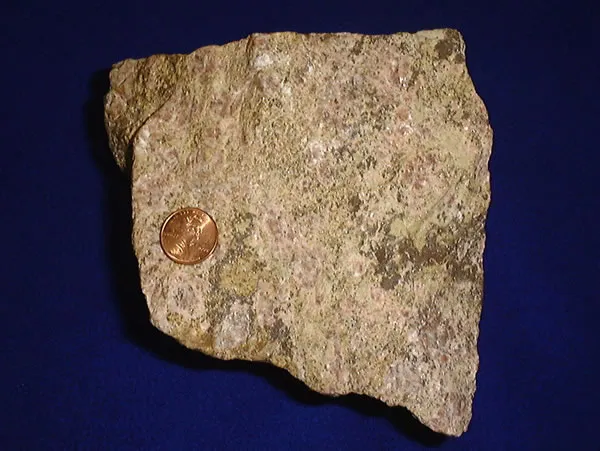
Photo: Unknown, Public domain, via Wikimedia Commons
Critical minerals have moved from the commodity pages to the cabinet table. Lithium, cobalt, graphite and rare earths now sit at the centre of energy transitions, defence supply chains and the broader contest between Beijing, Brussels and Washington. Britain has responded with the familiar instruments of a middle power: trade missions, memoranda of understanding, development finance and intelligence assessments. The question is not whether Whitehall has a minerals policy. It is whether it has the diplomatic bandwidth to make that policy count.
A Strategy in Search of a Centre
Responsibility is scattered across the Department for Business and Trade, the Foreign Office, the energy department, the Ministry of Defence, UK Export Finance and the intelligence community. Each has a piece of the map. None owns the whole terrain. Ministers can announce a partnership in Kazakhstan one week and a financing package in Indonesia the next, but the machinery beneath those announcements remains thin.
The contrast with Beijing is uncomfortable. China’s state-backed companies can absorb years of losses to secure equity in mines and processing capacity. Brussels, meanwhile, has tried to aggregate European demand and financing through its raw materials legislation. Britain has real assets: the London financial markets, world-class legal and accounting services, universities that train mining engineers, and intelligence relationships that few competitors can match. The problem is conversion. Assets do not become leverage without a strategy that joins them up.
The Kazakhstan Test
Kazakhstan is the obvious test case. It sits on significant reserves of uranium, rare earths and other critical materials, and it balances delicately between Russia, China and the West. Britain has courted Astana through trade missions and partnership language, and there is a genuine convergence of interest. But the ethical and geopolitical trade-offs are not incidental. Kazakhstan’s governance is authoritarian, corruption remains a live concern, and its proximity to Russia gives Moscow leverage over export routes.
A serious British approach would need to be honest about those risks rather than pretending that a minerals deal is values-free. Transparency over payments, anti-corruption clauses and environmental standards are not decorative. They are the difference between a supply chain that can be defended in public and one that collapses under scrutiny. Yet if Britain loads every deal with conditions that local partners cannot meet, companies will simply go elsewhere. Diplomacy is the business of managing that tension, not wishing it away.
Indonesia and the Nickel Dilemma
Indonesia tells a similar story with sharper edges. It dominates nickel production, much of it processed with Chinese capital and coal-fired power. British interest in Indonesian nickel is understandable, but the environmental and labour record is contested, and Jakarta has learned to play off Western capitals against Chinese investors. A UK minister arriving with a cheque and a lecture is unlikely to leave with a secure supply line.
The more credible British offer is not scale, which London cannot match, but standards, finance and education. UK Export Finance can support projects that meet environmental criteria. British universities can train the engineers and regulators that resource-rich states need. City of London insurers and lawyers can help structure deals. That is a narrower offer than Beijing’s, but it is one Britain can actually deliver.
What a Credible Strategy Would Require
A credible UK minerals strategy would need several unglamorous things. First, a single senior official or minister with clear authority across departments. Second, financing at a scale that matches the rhetoric, including stockpiling and recycling rather than only extraction abroad. Third, a diplomatic cadre with minerals expertise in key embassies, not a flying desk in Whitehall. Fourth, intelligence-sharing with allies that helps British companies understand political and security risk without turning commercial decisions into espionage by another name.
It would also need a public argument about trade-offs. Britain cannot simultaneously insist on the highest ethical standards, refuse to engage with difficult regimes and secure the minerals needed for defence and decarbonisation. The honest position is to set clear red lines, accept that some deals will fail, and explain why. That is more demanding than another memorandum of understanding.
The Desk Is Not the Strategy
A critical minerals desk is a useful start. It is not a strategy. Britain’s advantage lies in its network, its courts, its capital and its intelligence, not in the size of its mining industry. If Whitehall can concentrate those assets behind a clear set of priorities, it can be a serious partner in the scramble for supply. If it cannot, the desk will remain an ornament: busy, well-meaning and outmanoeuvred by states that treat minerals as a instrument of grand strategy rather than a line in a trade brochure.