The Fixture List of Influence: Sport and Britain’s Foreign Policy in 2026
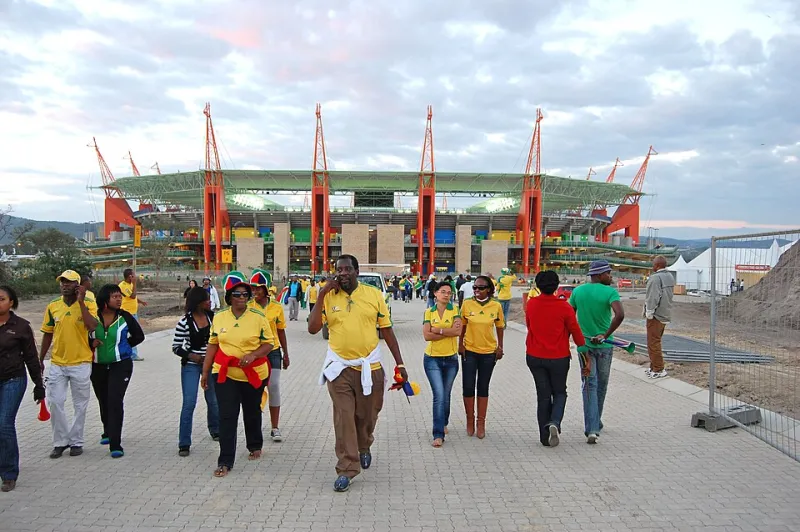
Photo: Tadpolefarm, CC BY-SA 4.0, via Wikimedia Commons
Sport has become a foreign-policy fixture that Britain cannot avoid. Premier League clubs are owned by states and sovereign funds, major tournaments are awarded through diplomatic bargaining, and sponsorship deals carry political signals. The returns can be real: trade, tourism, influence and prestige. So can the costs. This is a guide to the fixtures that matter, and to the uncomfortable questions they raise.
1. The 2026 World Cup: A Tournament Without a British Booth?
The World Cup in North America has come and gone, and Britain’s diplomatic ledger from it is mixed. The tournament offered a global stage for English, Scottish and Welsh football, and Whitehall inevitably used it as a backdrop for trade and cultural promotion. But the event also exposed how little control national governments have over FIFA’s decisions, visa regimes and the commercial priorities of broadcasters.
The lesson is not that Britain should boycott every tournament with an imperfect host. It is that Britain needs a clearer post-tournament strategy. A trade mission attached to a football match is not the same as a serious soft-power campaign. If the Foreign Office wants sporting events to deliver diplomatic returns, it needs to plan them years in advance, not weeks.
2. Premier League Ownership: The Quiet Foreign Policy
The Premier League is Britain’s most successful cultural export and one of its most sensitive diplomatic files. Clubs owned by Abu Dhabi, Saudi and American capital bring investment, global audiences and prestige. They also raise questions about human rights, regulatory capture and the extent to which foreign states can buy influence in British public life.
Successive governments have preferred to treat ownership as a matter for football authorities rather than foreign policy. That is no longer credible. When a state-owned fund controls a club, the lines between commercial investment, sportswashing and diplomacy blur. Britain does not need to nationalise football. It does need a consistent framework for assessing state-linked ownership, with transparency about who really controls clubs and why.
3. The Saudi Question: Engagement Versus Endorsement
Saudi Arabia’s award of the 2034 World Cup was a diplomatic moment, whether Britain treated it as one or not. Riyadh is investing heavily in sport to diversify its economy and project influence. British ministers face a familiar choice: engage and risk being seen to endorse, or criticise and risk losing commercial access.
There is no cost-free position. The honest one is to separate sporting cooperation from political endorsement, set clear human-rights benchmarks and be transparent about when they are not met. Britain’s record on this is patchy. It criticises some hosts and courts others. That inconsistency is noticed abroad and undermines the moral authority Britain claims when it does speak out.
4. Euro 2028: The Home Tournament as Diplomatic Platform
The UK and Ireland’s hosting of Euro 2028 is a genuine opportunity. A major tournament on home soil can showcase Britain’s regions, test its transport and security systems, and create a focal point for cultural diplomacy. It also creates obligations. Visa rules, policing, accessibility and fan safety will all be watched.
The diplomatic return will depend on whether Britain treats the tournament as a national project or a departmental afterthought. A cross-government approach that includes the Foreign Office, the Home Office and the devolved administrations would be a start. So would a clear plan for using the tournament to build lasting links with participating countries, rather than a fleeting photo opportunity.
5. Sponsorships and Boycotts: The Shirt as Statement
Sporting sponsorship is never neutral. Airlines, banks, gambling firms and states all use sport to associate themselves with success and belonging. British athletes and fans have become more willing to question those associations, particularly on human rights and environmental grounds.
Boycotts can be powerful, but they are also blunt instruments. A blanket boycott of a tournament or a sponsor often punishes athletes and fans more than governments. The more effective approach is targeted pressure, clear criteria and consistency. Britain cannot condemn one regime’s sponsorship while quietly welcoming another’s investment. That is not realism. It is incoherence.
The Ledger
Sport is not a separate moral universe. It is part of the same international system that Britain navigates in trade, security and human rights. The diplomatic returns are real, but they are not automatic. They depend on planning, consistency and a willingness to accept that some fixtures will cost more than they deliver.
A credible British approach would start with a public framework for state-linked ownership, sponsorship and tournament hosting. It would include human-rights risk assessments, transparency requirements and a commitment to protect athletes who speak out. It would also require ministers to stop pretending that sport is above politics. The fixture list is already political. The only question is whether Britain plays it with a strategy or simply turns up.