The Unadvertised Embassy: Britain’s Universities and the Diplomacy They Already Do

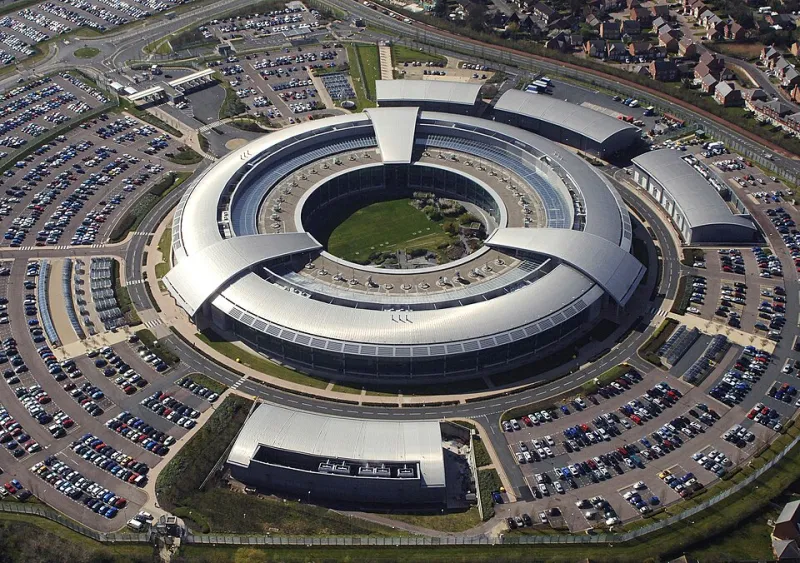
Photo: Moheen Reeyad, CC BY-SA 4.0, via Wikimedia Commons
British universities are among the country’s most effective diplomatic institutions, and among the least acknowledged. They host future presidents and finance ministers, broker research links that outlast ministerial visits, and project a version of Britain that is curious rather than combative. Yet the same system is routinely treated in Westminster as a migration problem to be managed, a security risk to be contained or a revenue stream to be tapped. That contradiction is now costing Britain influence.
The Work Nobody Calls Diplomacy
A campus is not a consulate, but it performs consular functions. Universities absorb visa shocks, advise anxious families, host alumni networks and maintain relationships with foreign ministries that Whitehall cannot always reach. When a British university opens a joint research centre in Southeast Asia or trains a generation of African engineers, it is doing commercial and soft-power work that would otherwise require a diplomatic mission.
International students are the most visible part of this. They bring fees, yes, but they also bring networks. The alumni of British universities populate cabinets, central banks and laboratories across the world. That is influence of a durable kind, built over decades rather than news cycles. Research partnerships matter too. Science is one of the few channels through which Britain still talks to countries with which it disagrees, and universities often keep those channels open when governments cannot.
The Visa Signal
The problem is that Britain sends mixed signals. Ministers praise international education in one breath and announce restrictive visa measures in the next. Debates over dependants, the graduate route and a levy on international students are heard abroad as a welcome mat being pulled away. Competitors in Canada, Australia and Germany have noticed. They do not need to be better than Britain in every respect; they only need to appear more predictable.
Rhetoric matters because students and their families make decisions on perception as much as policy. A bright applicant in India or Nigeria reads the headlines. A university vice-chancellor hears from partners who are unsure whether a joint programme will survive the next immigration statement. The damage is not always visible in the statistics immediately. It accumulates in the quiet decisions of people who choose somewhere else.
The Security Question
Security screening is legitimate. Research security matters, particularly where dual-use technologies and hostile states are concerned. But the British approach is often opaque and slow, which creates its own risks. Researchers who do not understand the rules may avoid legitimate collaborations altogether, while bad actors exploit the gaps. A transparent system with clear criteria would protect both national security and Britain’s reputation as a reliable research partner.
The answer is not to pretend that every international partnership is benign. It is to distinguish between risk management and suspicion as a default setting. Universities need guidance that is usable, not a fog of warnings that encourages them to retreat from the world. The Foreign Office and the Department for Education should be jointly accountable for getting that balance right.
A Foreign Policy With a Registry
If Britain wants to treat universities as strategic assets, it should say so in a strategy rather than in a press release. That strategy would need several components. A joint FCDO-DfE ministerial lead on international education would give the sector a voice in foreign policy. Visa service standards for students and researchers would make Britain’s welcome measurable. An alumni diplomacy programme would connect graduates to British commercial and cultural networks. A dedicated research security office would give universities clear, timely advice.
None of this requires a new quango or a grand rebranding exercise. It requires coherence. The Home Office cannot keep treating international students as a lever in domestic migration debates while the Foreign Office claims they are ambassadors in waiting. The two departments need to agree on what the national interest actually is.
The Campus Interest
Britain’s universities are not saints. They compete aggressively, they make commercial mistakes and they sometimes overstate their global reach. But they are also one of the few British institutions that foreigners still queue to join. That is an advantage in a world where influence is increasingly contested. Treating it as a migration statistic is not just a policy error. It is a diplomatic own goal.